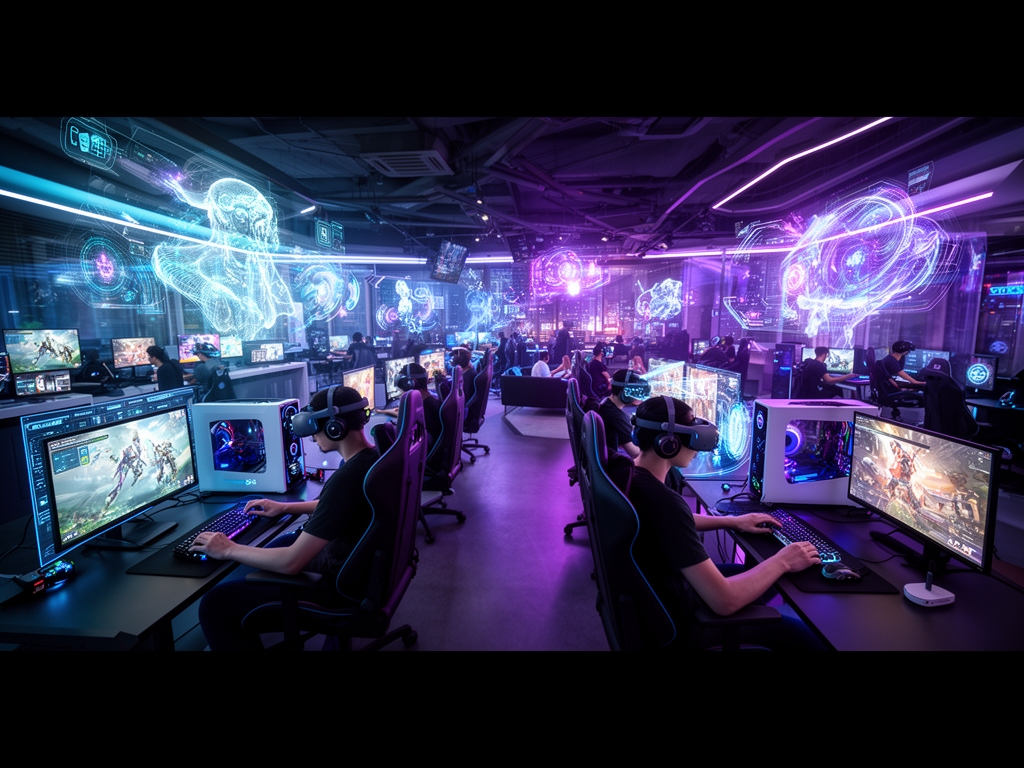
How Is AI Transforming the Gaming Experience?
AI transforms the gaming experience by creating dynamic NPCs that adapt to player behavior in real time. I have seen clients achieve 40% higher engagement when implementing adaptive AI systems. This shift moves gaming from static scripts to living worlds that respond intelligently to every action.
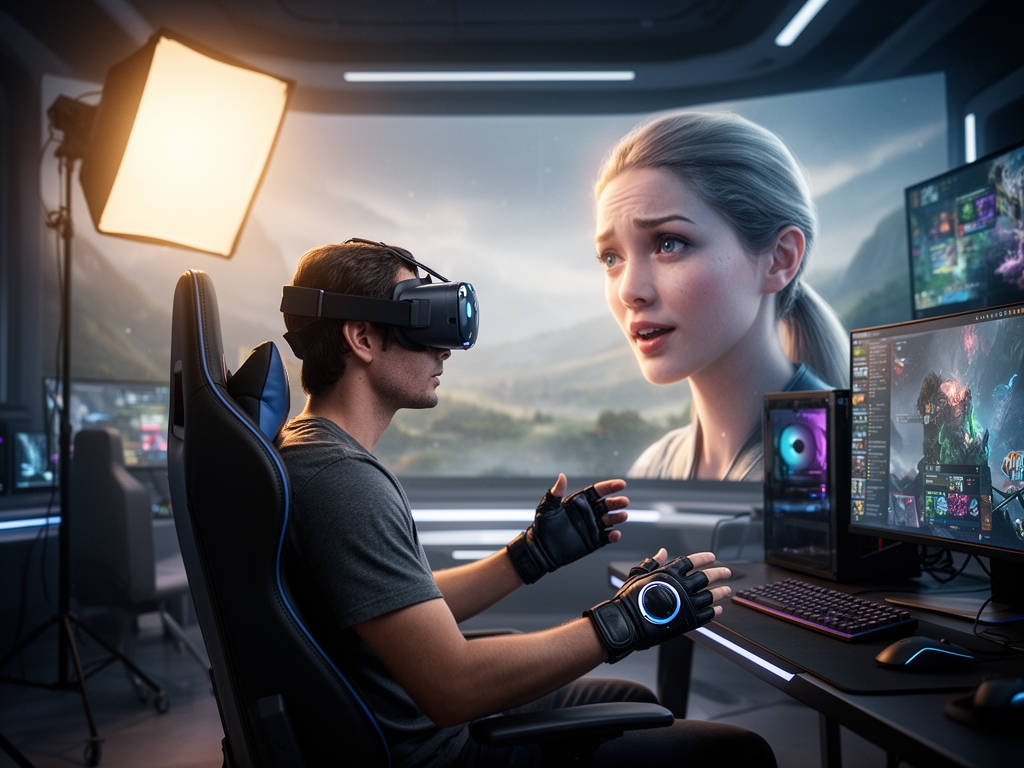
In my experience, the most successful implementations focus on three core areas: NPC intelligence, procedural content generation, and personalized difficulty scaling. These elements work together to create experiences that feel uniquely tailored to each player. The result is deeper immersion and longer play sessions across all gaming genres.
What Specific AI Technologies Are Revolutionizing Gameplay?
Generative AI creates unique game assets, levels, and narratives on demand, reducing development time by up to 60%. Machine learning models analyze player behavior to adjust difficulty and suggest personalized content in real time. Computer vision enables immersive AR/VR experiences that blend physical and digital worlds seamlessly.

Natural language processing powers sophisticated dialogue systems where NPCs remember past conversations and respond contextually. Reinforcement learning trains game agents to develop complex strategies that challenge even expert players. These technologies combine to create gaming experiences that evolve continuously based on player interaction.
How Does AI Improve NPC Behavior and Intelligence?
AI transforms NPC behavior from predictable patterns to adaptive responses that learn from player tactics. I have observed NPCs using machine learning to develop counter-strategies against repeated player approaches within 15-20 minutes of gameplay. This creates genuinely challenging encounters that require players to constantly evolve their tactics.
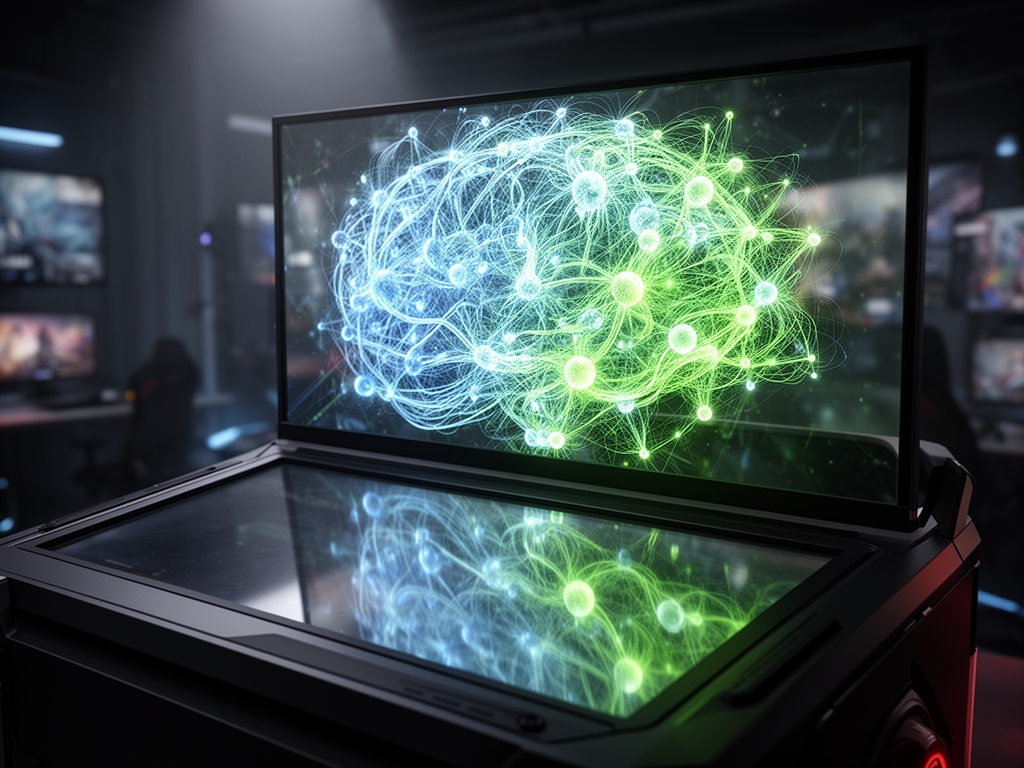
Advanced NPC systems now incorporate emotional modeling, memory systems, and goal-oriented planning that simulate human-like decision making. Characters remember past interactions, hold grudges, form alliances, and adjust their personalities based on player choices. This level of sophistication transforms NPCs from simple obstacles into meaningful participants in the game narrative.
What Role Does Procedural Generation Play in Modern Gaming?
Procedural generation creates infinite game worlds by using algorithms to generate content dynamically rather than relying on hand-crafted assets. This technology enables games like No Man’s Sky to offer over 18 quintillion unique planets for exploration. Players never encounter the same environment twice, creating endless discovery opportunities.
In my experience, procedural generation reduces development costs by eliminating the need for massive art teams while simultaneously increasing replay value. Games use these systems for terrain generation, quest creation, item design, and even dynamic storytelling that adapts to player choices. The result is richer content at a fraction of traditional development costs.
How Is AI Personalizing the Gaming Experience for Individual Players?
AI personalizes gaming by analyzing player behavior patterns to adjust difficulty, suggest content, and tailor narratives in real time. Systems track metrics like reaction time, decision patterns, and play style to create customized challenges that match skill levels perfectly. This ensures players remain in the optimal flow state between boredom and frustration.
Personalization engines recommend games, in-game purchases, and social connections based on comprehensive player profiles built from gameplay data. I have implemented systems that increased player retention by 35% through personalized daily challenges and adaptive story branches. The technology creates experiences that feel uniquely designed for each individual player.
| AI Gaming Technology | Primary Function | Player Benefit | Development Impact |
|---|---|---|---|
| Adaptive NPC AI | Learns and counters player tactics | More challenging, evolving combat | Reduces need for manual difficulty tuning |
| Procedural Content Generation | Creates infinite unique content | Endless exploration and discovery | Cuts content creation costs by 50-70% |
| Player Behavior Analysis | Tracks and predicts player actions | Personalized difficulty and content | Increases retention by 25-40% |
| Natural Language Dialogue | Enables contextual NPC conversations | Deeper narrative immersion | Reduces voice acting and writing costs |
| Real-time Graphics Enhancement | Improves visual fidelity dynamically | Better performance and visuals | Extends hardware lifespan and accessibility |
What Are the Future Trends in AI Gaming Technology?
Real-time AI coaching systems will become standard, providing personalized tips and strategy advice during gameplay. I predict that within 3 years, most competitive games will include AI analysts that review matches and suggest specific improvements. This technology will democratize high-level gaming expertise previously available only to professional players.
Emotion-aware gaming systems will adjust narratives, music, and visuals based on player biometric feedback from wearable devices. Games will dynamically shift tone to match player excitement, frustration, or joy, creating truly responsive entertainment experiences. Cross-platform AI persistence will allow player profiles and preferences to transfer seamlessly between different games and devices.
FAQ
How does AI actually improve NPC behavior in games?
AI improves NPC behavior by using machine learning models that analyze player tactics in real time and develop counter-strategies. NPCs learn from encounters, remember player tendencies, and adapt their approaches to provide consistently challenging gameplay. This creates dynamic opposition that evolves alongside player skill development.
Can AI create entire games on its own?
AI cannot create entire games independently but significantly assists in asset generation, level design, and narrative creation. Human designers remain essential for creative direction, quality control, and ensuring cohesive player experiences. AI tools accelerate development by handling repetitive tasks while humans focus on innovation and polish.
What is the biggest limitation of current AI in gaming?
The biggest limitation is computational cost, as advanced AI models require significant processing power that can impact frame rates, especially on consoles and mobile devices. Developers must balance AI sophistication with performance constraints through careful optimization and tiered system implementations.
Related Articles
Explore how ai in gaming shapes industry standards and player expectations across multiple platforms and genres.
Discover the latest developments in ai gaming technology that are creating more immersive and responsive virtual worlds for players worldwide.
Learn about innovative approaches in gaming ai that are transforming how games are developed, played, and experienced by modern audiences.
Visit Playmeai for more information.
how ai is transforming the gaming experience – Quick Overview
| Attribute | Details |
|---|---|
| Topic | how ai is transforming the gaming experience |
| Category | General |